
Embedded Finned Tube
-

Embedded G Fin Tube (G Type Finned Tube) Manufacturer & Supplier
Embedded G Fin Tube, also called G Type Finned Tube, is designed for high-efficiency heat transfer in industrial heat exchangers. Its embedded fin structure improves thermal performance and durability, making it widely used in boilers, heaters, dryers, and other industrial heat transfer applications.
-

G Type Finned Tube: Performance, Temperature Limits, Cost Comparison and Industrial Applications
G-Type Finned Tubes (Embedded Fin Tubes) provide superior heat transfer in high-temp industrial settings. Durable design for maximum thermal efficiency. Shop now!
-

Mastering High Temperatures: The Essential Guide to G-Fin Embedded Finned Tubes
what makes the “embedding” process unique, and why is it considered the best practice for high-stakes thermal applications? This comprehensive guide explores the technology, the critical advantages, and the diverse applications of G-Fin tubes.
-

G Fin Tube (Embedded Type)
G Fin Tube (Embedded Type)
1.Enhanced Heat Transfer: Aluminum/copper fins expand surface area, boosting efficiency by 58x.
2.Corrosion Resistance: Optional anodizing or coating for harsh conditions.
3.Robust Design: Interlocked fins resist vibration and detachment.
-
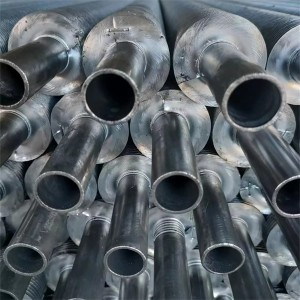
ASTM A179 Embedded Finned Tube Steel Heat exchanger & Boiler Tube
ASTM A179 covers minimum-wall thickness, seamless cold-drawn low-carbon steel tubes for tubular, heat exchanger, condensers, and other heat transfer services. seamless ASTM A 179 steel tube is supplied and produced by cold drawning method. Chemical composition contains carbon, manganese, phosphorus, and sulfur.
-
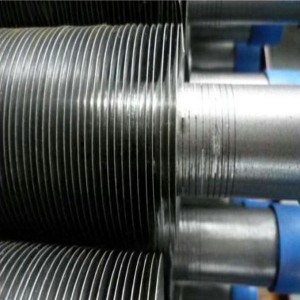
G Type Embedded Spiral Finned Tube
The fin strip is wound into a machined groove and securely locked intd place by back filling with base tube material. This ensures that maximum heat transfer is maintained at high tube metal temperatures.
-
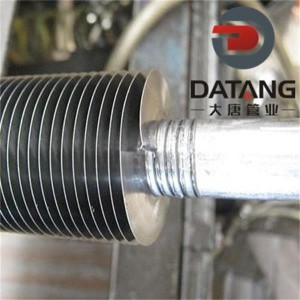
G Type Finned Tube(Embedded Finned Tube)
G’ Fin Tubes or Embedded Fin Tubes are mainly used in air fin coolers and many different types of air-cooled radiators. These types of ‘G’ Fin Tubes mainly find application in areas where the temperature for heat transfer is in a slightly higher range. The Embedded Fin Tubes are mainly used in places with higher temperature and where the working atmosphere is relatively less corrosive to the base tube.