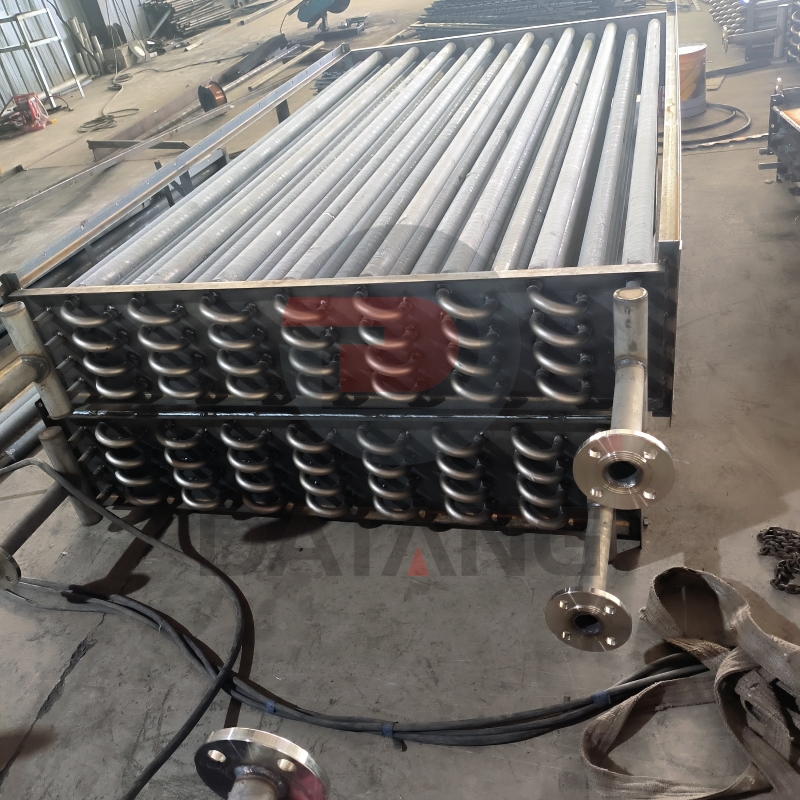
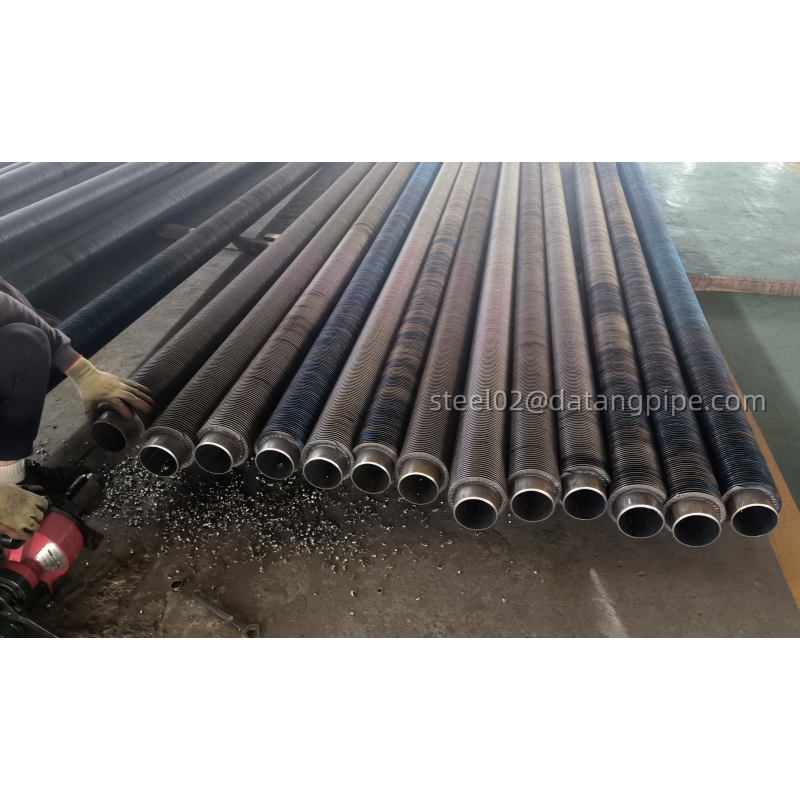
Spiral Laser Finned Pipes for Steam Drying Kiln and Thermal Oil Kiln Project in Russia
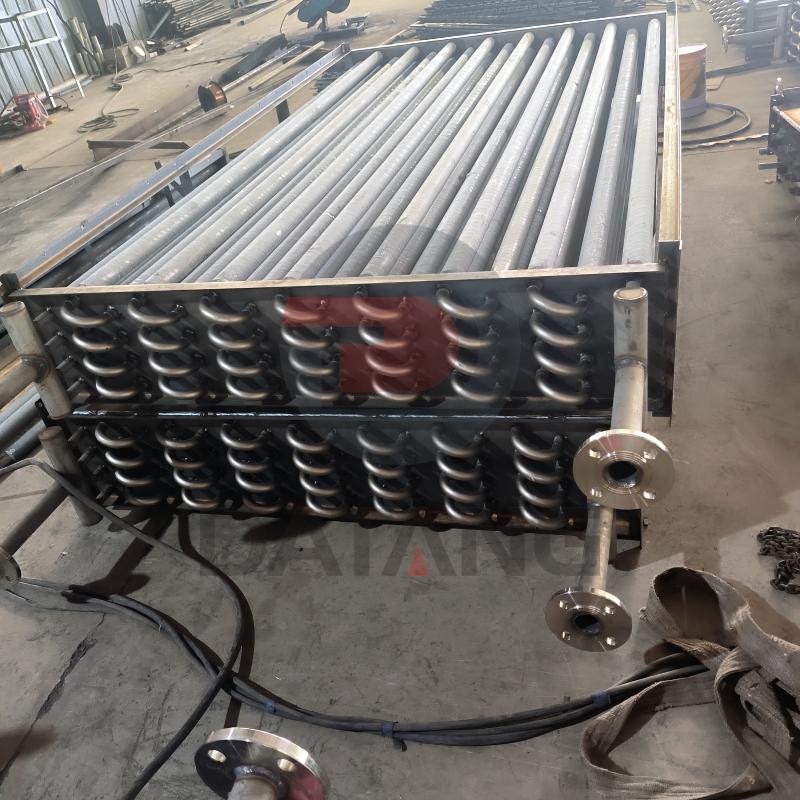

Spiral Laser Finned Pipes for Steam Drying Kiln and Thermal Oil Kiln Project in Russia
1. Project Overview
This project involves the application of spiral laser finned pipes in a large-scale steam drying kiln and thermal oil heating system in Russia. The system is designed for industrial wood drying processes, where stable and efficient heat transfer is essential to ensure uniform drying quality and energy efficiency.
2. Customer Requirements
The Russian customer required a high-efficiency heat transfer solution capable of operating under continuous high-temperature conditions. Key requirements included improved thermal efficiency, corrosion resistance, long service life, and compatibility with both steam and thermal oil heating systems.
3. Our Solution: Spiral Laser Finned Pipes
We supplied spiral laser finned pipes manufactured using advanced laser welding technology. The fins are tightly and permanently welded onto the base tube, ensuring excellent thermal conductivity and mechanical strength even under high pressure and high temperature environments.
4. Technical Features
- Manufacturing Process: High-precision laser welding
- Fin Type: Spiral fin design for increased heat transfer area
- Materials: Carbon steel / stainless steel (as per project requirement)
- Working Medium: Steam / Thermal oil
- High bonding strength between fin and base tube
- Excellent corrosion and thermal fatigue resistance
5. Application in Wood Drying Kiln System
The spiral finned pipes are installed inside steam drying kilns and thermal oil kilns. They significantly improve heat exchange efficiency, ensuring uniform temperature distribution and reducing overall energy consumption during the wood drying process.
6. Project Results
- Improved heat transfer efficiency by increasing surface area
- Reduced energy consumption in kiln operation
- Stable performance under continuous high-temperature conditions
- Extended service life compared to conventional smooth tubes
7. Why Russian Customers Choose Us
With extensive experience in manufacturing finned tubes and exporting to global markets including Russia, Turkey, and Southeast Asia, we provide reliable engineering solutions tailored to different industrial heating systems. Our laser welding technology ensures consistent product quality and long-term operational stability.
8. Conclusion
This project demonstrates the successful application of spiral laser finned pipes in industrial kiln systems. If you are looking for high-efficiency heat transfer solutions for steam drying kilns or thermal oil systems, feel free to contact us for technical support and customized solutions.