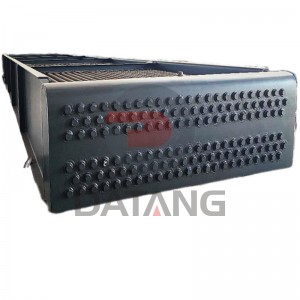
Cast Iron Economizer vs Steel Tube Economizer: Which One Delivers Lower Lifecycle Cost?


Cast Iron Economizer vs Steel Tube Economizer: Which One Delivers Lower Lifecycle Cost?
In industrial boilers, economizers play a critical role in improving thermal efficiency and reducing fuel consumption. Among the most commonly used types, cast iron economizers and steel tube economizers are widely compared in terms of heat transfer performance, corrosion resistance, maintenance, and service life.
Choosing the right economizer can directly affect boiler efficiency, operating cost, and long-term reliability. This guide explains the differences between cast iron economizers and steel tube economizers to help engineers, plant operators, and buyers make the right decision.
Video Presentation: https://youtu.be/Y_ynI3wgSOA
What Is a Cast Iron Economizer?
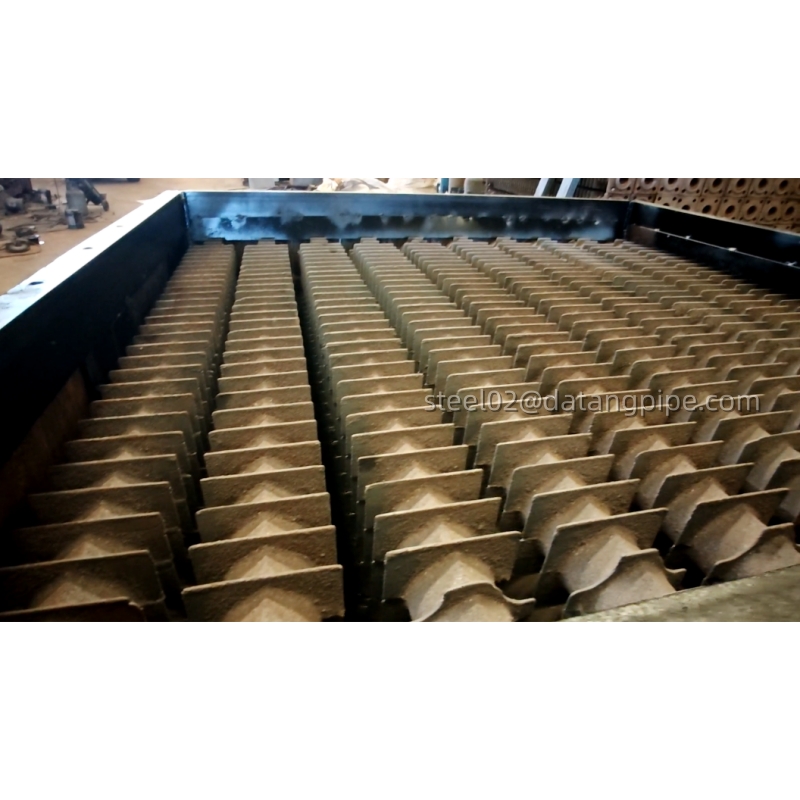
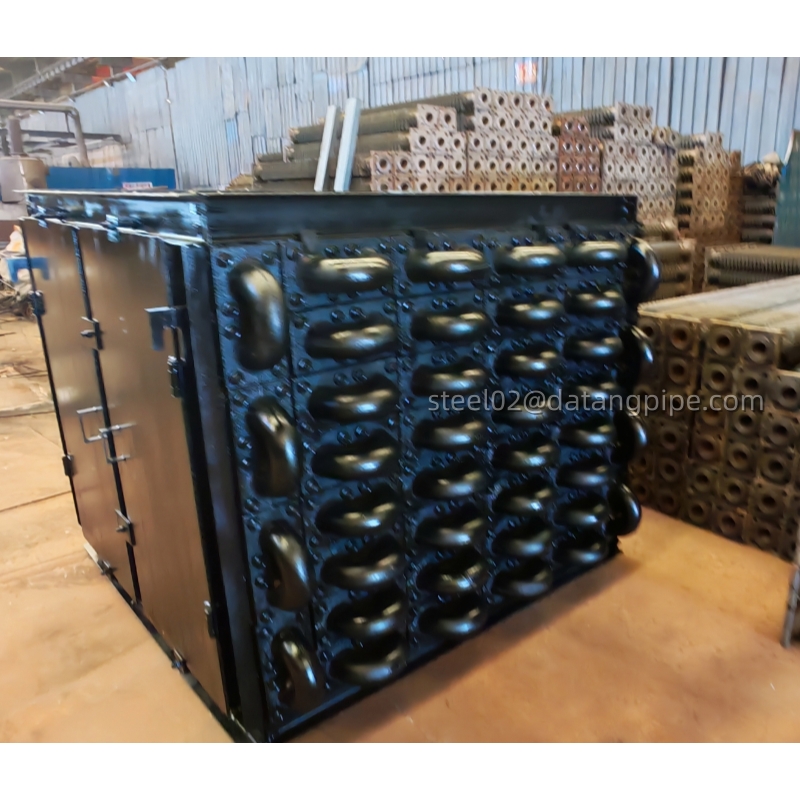
A cast iron economizer is a heat recovery device installed in the boiler exhaust system. It uses cast iron finned tubes or gilled tubes to recover waste heat from flue gas and preheat boiler feedwater.
Cast iron economizers are especially popular in low and medium pressure boilers because of their excellent corrosion resistance and long service life.
Main Features of Cast Iron Economizers
- Strong resistance to acid corrosion
- Suitable for low-temperature flue gas
- Long operational lifespan
- Lower maintenance frequency
- Good performance in sulfur-containing environments
What Is a Steel Tube Economizer?
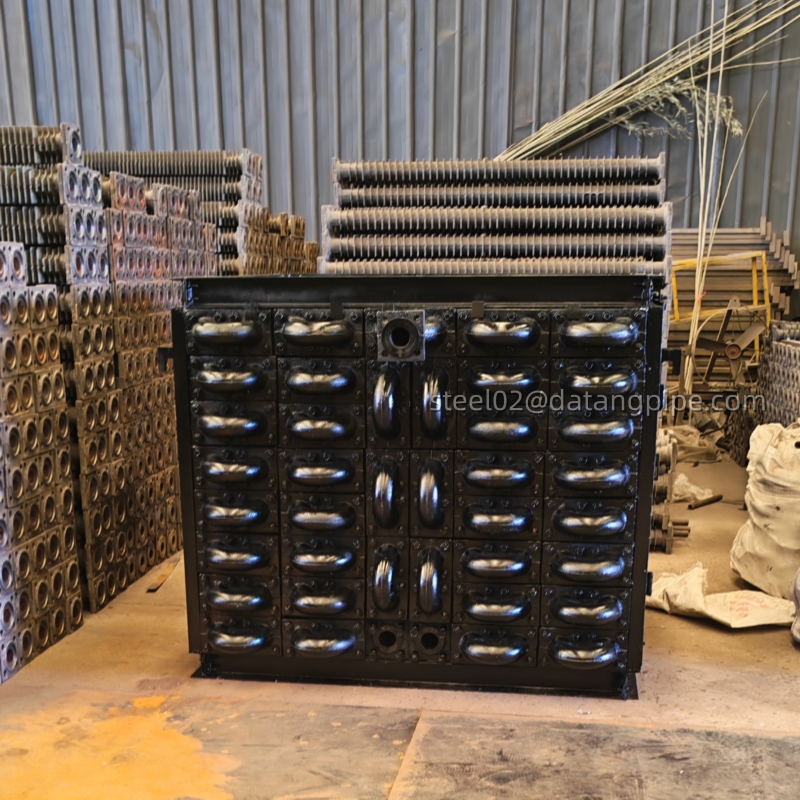
A steel tube economizer uses carbon steel or alloy steel tubes to transfer heat from flue gas to feedwater. It is commonly used in high-pressure and high-temperature boiler systems.
Steel tube economizers are known for their high heat transfer efficiency and strong mechanical strength.
Main Features of Steel Tube Economizers
- Higher thermal conductivity
- Better for high-pressure applications
- Lightweight structure
- Faster heat transfer
- Suitable for modern power plants
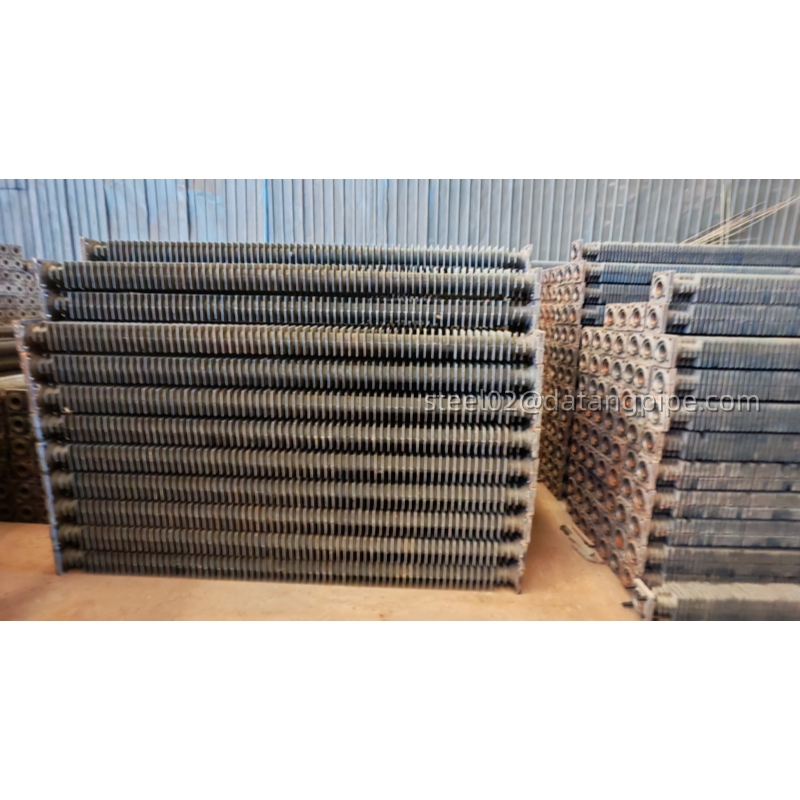
Cast Iron Economizer vs Steel Tube Economizer
1. Corrosion Resistance
Corrosion resistance is one of the biggest differences between the two types.
Cast Iron Economizer
Cast iron performs extremely well in low-temperature environments where acid dew point corrosion is common. It has strong resistance to sulfuric acid and condensate corrosion in flue gas systems.
Steel Tube Economizer
Steel tubes are more vulnerable to corrosion, especially when exposed to acidic condensation. Additional anti-corrosion coatings or water treatment systems are often required.
Winner:
Cast Iron Economizer
For boilers burning coal or sulfur-containing fuels, cast iron is usually the safer choice.
2. Heat Transfer Efficiency
Heat transfer efficiency directly affects fuel savings and boiler performance.
Steel Tube Economizer
Steel has higher thermal conductivity, allowing faster heat transfer and better overall efficiency in high-temperature systems.
Cast Iron Economizer
Although cast iron transfers heat effectively, its thermal conductivity is generally lower than steel.
Winner:
Steel Tube Economizer
Steel tube economizers are better for applications requiring maximum heat recovery.
3. Mechanical Strength
Steel Tube Economizer
Steel tubes can withstand higher pressure and thermal stress, making them ideal for power stations and large industrial boilers.
Cast Iron Economizer
Cast iron is more brittle and may crack under severe thermal shock or vibration.
Winner:
Steel Tube Economizer
4. Service Life
Cast Iron Economizer
Because of its superior corrosion resistance, cast iron often lasts longer in harsh flue gas environments.
Steel Tube Economizer
Steel tube lifespan depends heavily on water quality, operating temperature, and corrosion protection.
Winner:
Cast Iron Economizer
5. Maintenance Requirements
Cast Iron Economizer
Requires less anti-corrosion maintenance but may need inspection for cracking.
Steel Tube Economizer
Needs regular monitoring for tube leakage, corrosion, scaling, and fouling.
Winner:
Depends on operating conditions.
Which Economizer Is Better?
The answer depends on your boiler system and operating environment.
| Application | Recommended Economizer |
|---|---|
| Low-pressure boiler | Cast Iron Economizer |
| High-pressure boiler | Steel Tube Economizer |
| Sulfur-rich flue gas | Cast Iron Economizer |
| High heat transfer demand | Steel Tube Economizer |
| Long service life priority | Cast Iron Economizer |
| Power plant application | Steel Tube Economizer |
Advantages of Cast Iron Economizers
- Excellent corrosion resistance
- Long operating life
- Lower maintenance cost
- Suitable for low-temperature flue gas
- Reliable for coal-fired boilers
Advantages of Steel Tube Economizers
- Higher heat transfer efficiency
- Better mechanical strength
- Suitable for high-pressure systems
- Compact and lightweight design
- Faster thermal response
Common Problems of Economizers
Cast Iron Economizer Problems
- Thermal shock cracking
- Heavy structure weight
- Lower pressure tolerance
Steel Tube Economizer Problems
- Acid corrosion
- Tube leakage
- Scaling and fouling
- Higher maintenance requirements
Regular cleaning and proper water treatment are essential for both systems to maintain high boiler efficiency.
Conclusion
Both cast iron economizers and steel tube economizers offer important advantages in industrial boiler systems. Cast iron economizers are ideal for corrosion resistance and long-term durability, while steel tube economizers provide higher heat transfer efficiency and stronger pressure resistance.
Before selecting an economizer, it is important to evaluate:
- Boiler pressure
- Fuel type
- Flue gas temperature
- Corrosion conditions
- Maintenance budget
- Expected service life
Choosing the right economizer can significantly improve boiler efficiency, reduce fuel consumption, and lower operational costs.
FAQ
Which is more corrosion resistant, cast iron or steel tube economizer?
Cast iron economizers generally provide better corrosion resistance, especially in low-temperature and sulfur-rich flue gas conditions.
Which economizer has better heat transfer efficiency?
Steel tube economizers usually have higher heat transfer efficiency because steel has better thermal conductivity.
Why are cast iron economizers used in coal-fired boilers?
They resist sulfuric acid corrosion better than steel tubes, making them suitable for coal combustion environments.
Which economizer lasts longer?
In corrosive environments, cast iron economizers often have a longer service life than steel tube economizers.
https://youtu.be/Y_ynI3wgSOA