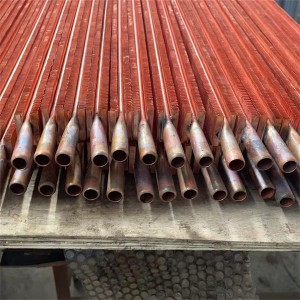
Elliptical Finned Tubes: Maximizing Efficiency with Advanced Design


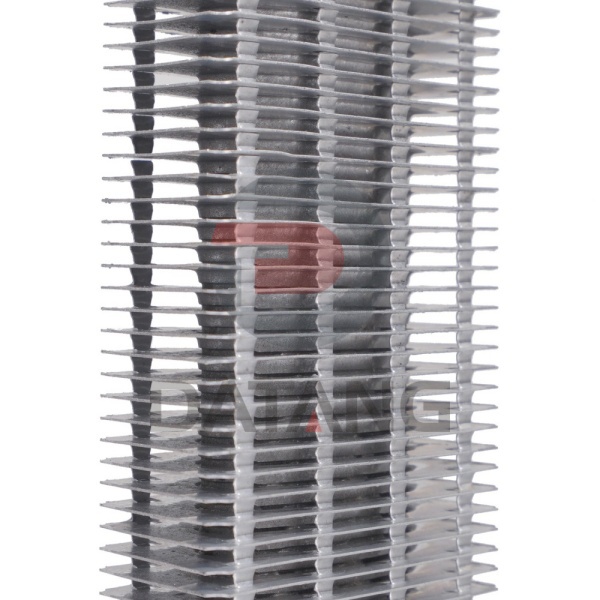
In the world of heat exchangers for air-cooling, economizers, and HVAC systems, efficiency is paramount. Elliptical finned tubes represent a significant engineering advancement over traditional round tubes. By utilizing an oval or elliptical base tube, this design fundamentally improves airflow dynamics and heat transfer performance. This article delves into the two primary manufacturing types—hot-dip galvanized steel and brazed aluminum—and provides key specifications to guide your selection.
Core Advantages: Why Choose an Elliptical Shape?
The elliptical shape offers distinct physical advantages:
Reduced Airside Pressure Drop: The aerodynamic profile creates less resistance to airflow compared to a round tube. This allows fans to work less, significantly reducing energy consumption in forced-air systems.
Enhanced Heat Transfer: The elongated surface provides a larger heat transfer area on the air side for a given frontal area. Additionally, the shape promotes more favorable boundary layer separation, improving thermal exchange.
Compact & Robust Design: The flat-sided profile allows for tighter, more compact bundle arrangements. The shape also offers greater structural rigidity against vibration and bending.
Type 1: Hot-Dip Galvanized Carbon/Stainless Steel Elliptical Finned Tubes
This type is known for its durability and corrosion resistance in challenging environments.
Construction Process:
The base elliptical tube is made from carbon steel or stainless steel.
Carbon steel or stainless steel strips are wound under tension to form helical fins, mechanically bonded to the tube.
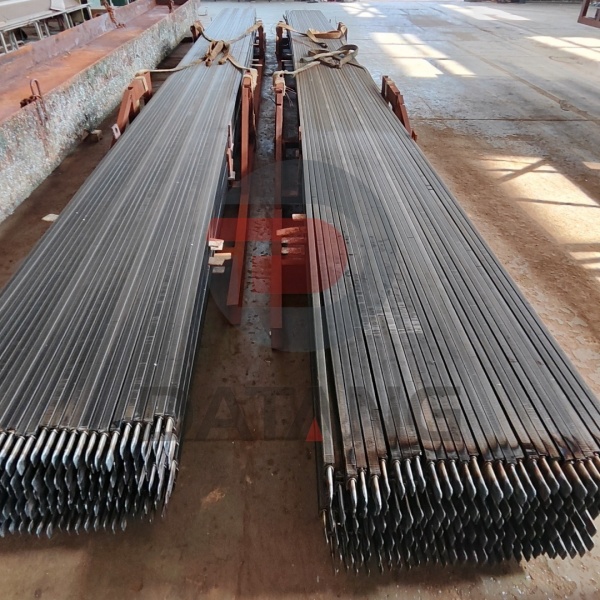
The entire assembly undergoes hot-dip galvanizing. This process coats the fins and tube in a thick, protective layer of zinc, offering exceptional sacrificial corrosion protection.
Typical Specifications & Parameters:
Base Tube Material: Carbon Steel (SA179, SA192) / Stainless Steel (304, 316L)
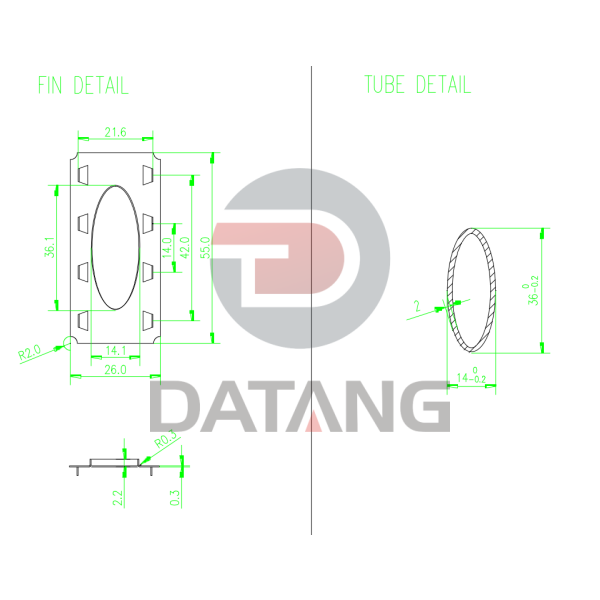
Tube Dimensions (Major x Minor Axis): 34mm x 14mm, 31mm x 13mm, 28mm x 12mm are common.
Fin Material: Low Carbon Steel / Stainless Steel
Fin Height: 6mm to 16mm
Fin Density: 2-6 fins per inch (FPI)
Surface Treatment: Hot-Dip Galvanized (Zinc Coating)
Max Operating Temperature: Up to ~400°C (depending on base material)
Ideal Applications: Power plant economizers, waste heat recovery units, industrial boilers, and corrosive or high-temperature environments where long-term rust protection is critical.
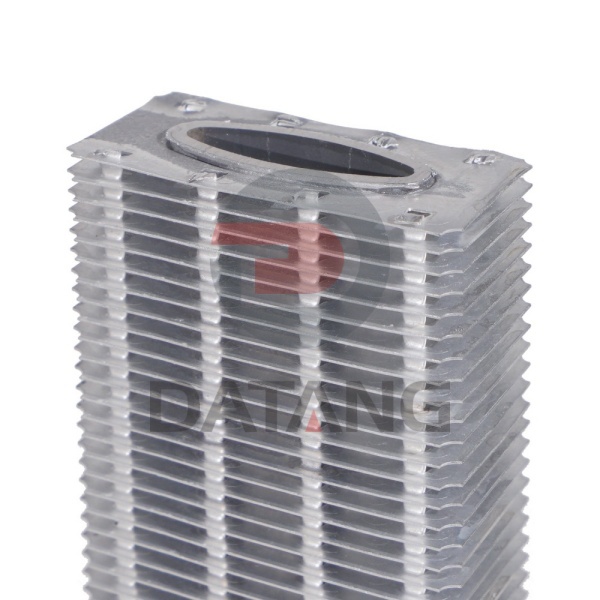
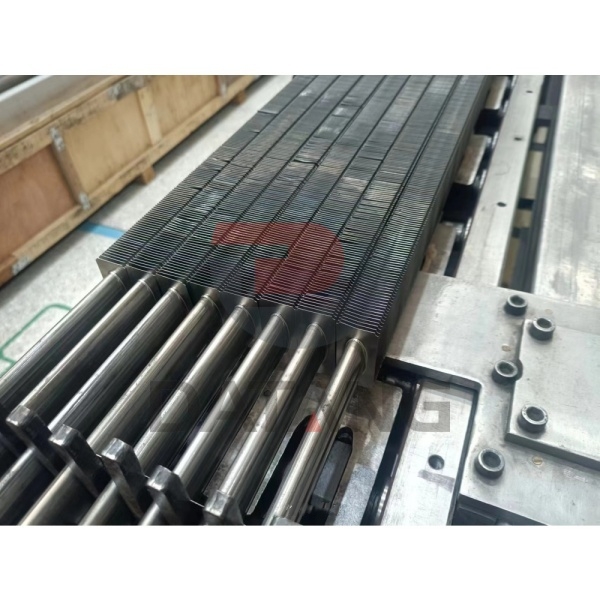
Type 2: Brazed Aluminum Elliptical Finned Tubes
This type is the champion of high thermal efficiency and lightweight design.
Construction Process:
The base tube is typically aluminum or sometimes copper.
Aluminum fins (often with a higher fin density) are assembled onto the tube.
The entire assembly is placed in a furnace for brazing. A controlled atmosphere (CAB) or vacuum brazing melts a pre-applied silicon-based filler metal, creating a permanent, metallurgical bond between the fins and tube. There is no hot-dip galvanizing step.
Typical Specifications & Parameters:
Base Tube Material: Aluminum Alloy (e.g., 3003) / Copper
Tube Dimensions (Major x Minor Axis): 25mm x 10mm, 21mm x 9mm, 18mm x 8mm are common.
Fin Material: Aluminum Alloy
Fin Height: 5mm to 12mm
Fin Density: 6-12+ fins per inch (FPI) – allows for very compact designs.
Bond Type: Continuous metallurgical bond via brazing (excellent heat conduction).
Surface Treatment: Typically none; aluminum’s natural oxide layer provides protection in dry/controlled environments.
Ideal Applications: Air-cooled condensers (ACCs), compressor intercoolers/aftercoolers, HVAC systems, and any application where maximum heat transfer in a lightweight, space-constrained design is the priority.
Choosing the Right Type:
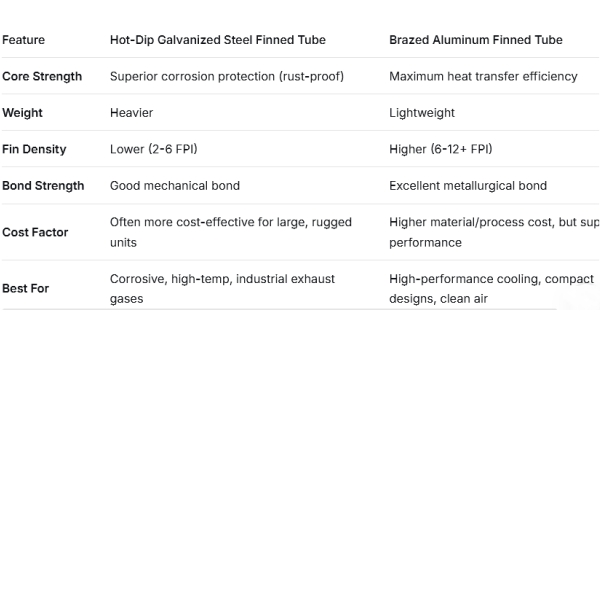
A Quick Comparison Guide